News & Events
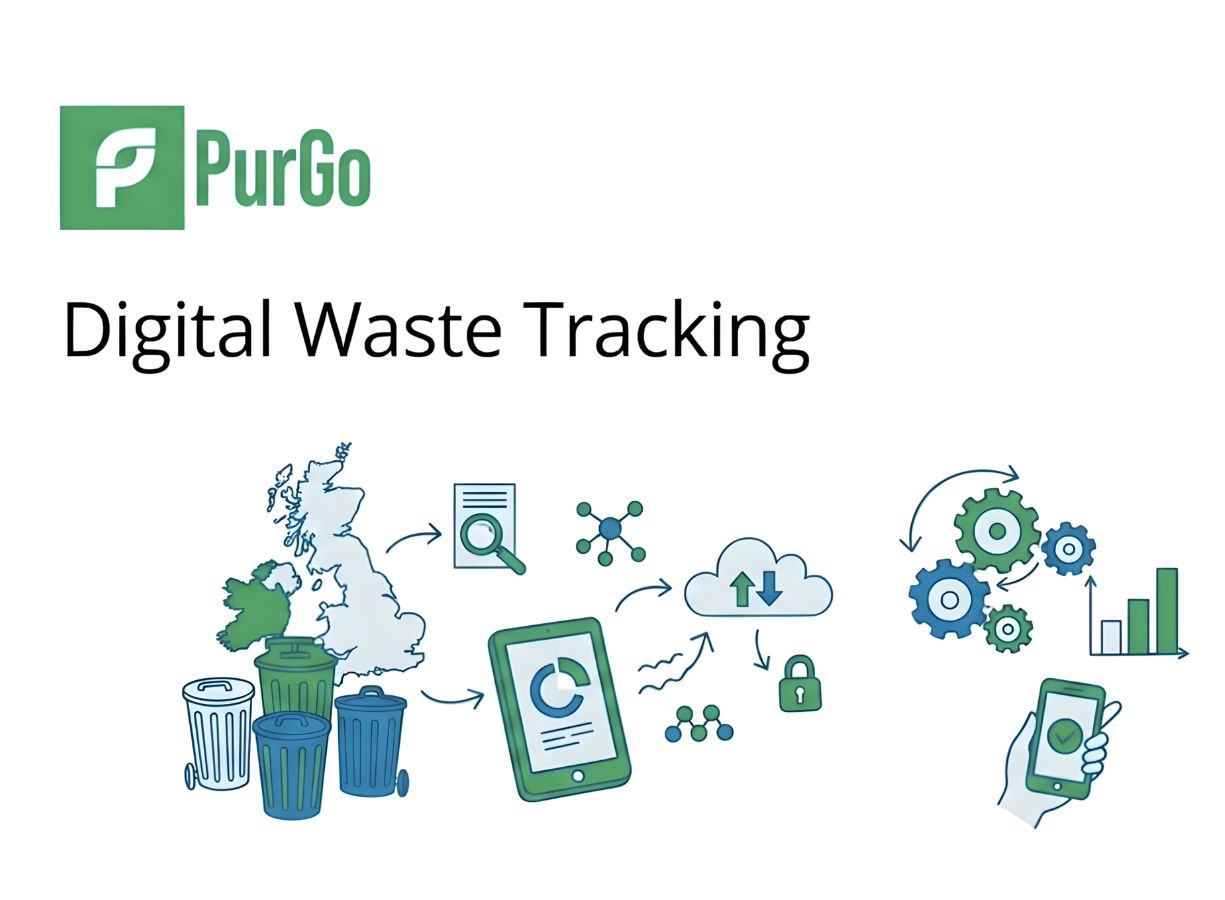
Digital Waste Tracking
Welcome to the VWS guide on the upcoming changes to UK waste regulations. The UK waste industry is on the brink of a massive transformation. If your business produces, moves, or receives waste, you need to prepare for Digital Waste Tracking. This new system will completely replace old physical records, bringing waste management into the digital age. Here is everything you need to know to stay compliant and prepared for the future.
Improve Site Efficiency with Faster Turnarounds
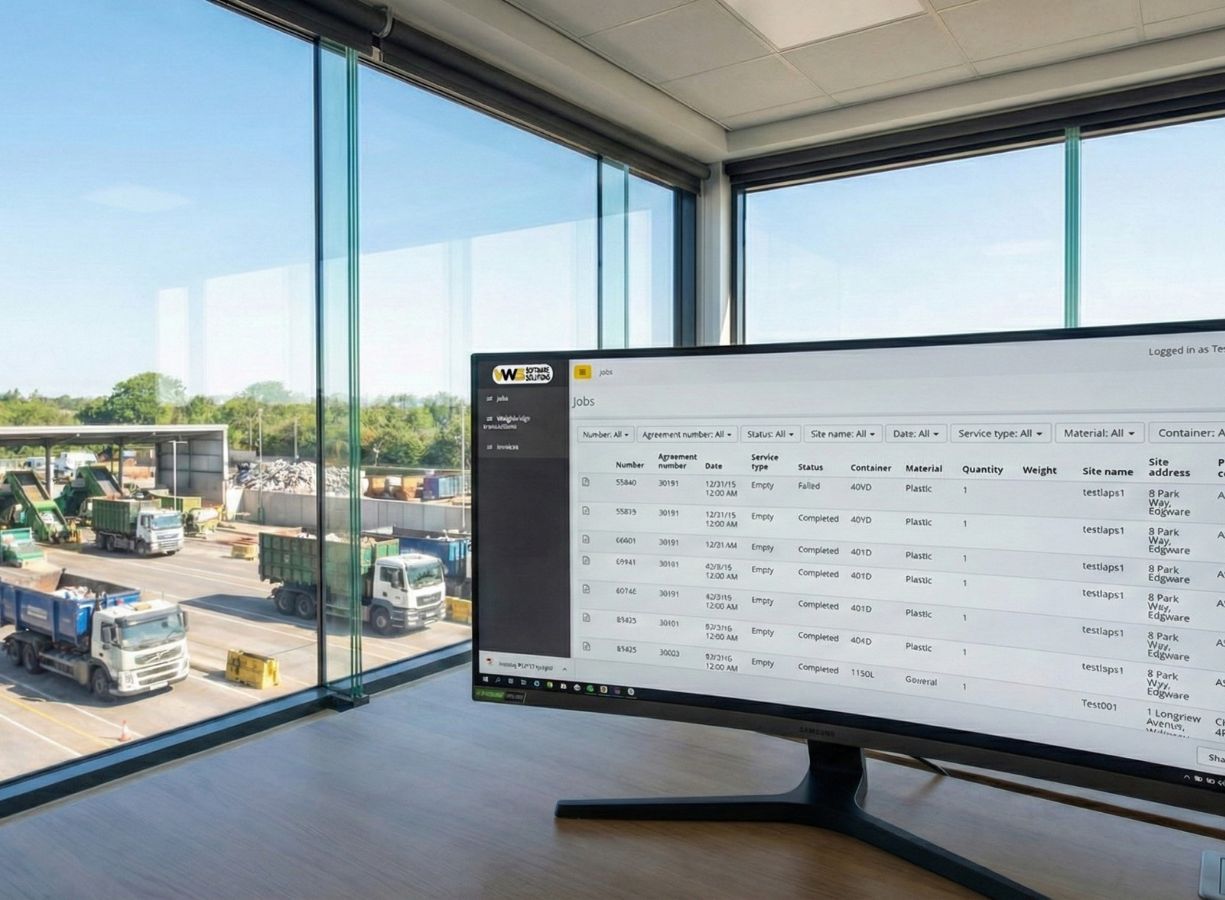
Is your weighbridge a gateway to revenue or a bottleneck for growth? In the waste management and recycling industry, time is the one resource you cannot recycle. For site operators and transfer stations, the weighbridge is the critical control point of the facility. It dictates the pace of your entire operation. When processes are streamlined, throughput increases and revenue flows. However, when the flow is interrupted by queues, manual data entry errors, or lost paperwork, the impact is felt immediately across the business. A congested yard isn't just an operational headache; it is a direct drain on profitability.

The New Digital Waste Tracking Timeline
The UK’s waste management landscape is entering its most significant digital transformation to date. As part of a national strategy to combat waste crime and foster a circular economy, the Department for Environment, Food & Rural Affairs (Defra) is replacing old-school paper records with a mandatory Digital Waste Tracking (DWT) service.

Getting More from Every Bin with Intelligent Waste Monitoring
If you look closely at a balance sheet, the difference between a good year and a great one often hides in the details of your daily collections. For decades, the industry operated on a simple premise: if a bin is out, pick it up. It didn't matter if it was overflowing or half-empty, or if the customer’s contract actually covered the rising disposal costs. But that old "lift and tip" model is quietly eating away at margins. Today, sustainable growth requires a smarter approach, one where every bin lift is measured, analysed, and optimised to ensure it's actually worth the fuel it took to get there.
Stay Compliant When Using Third Party Hauliers
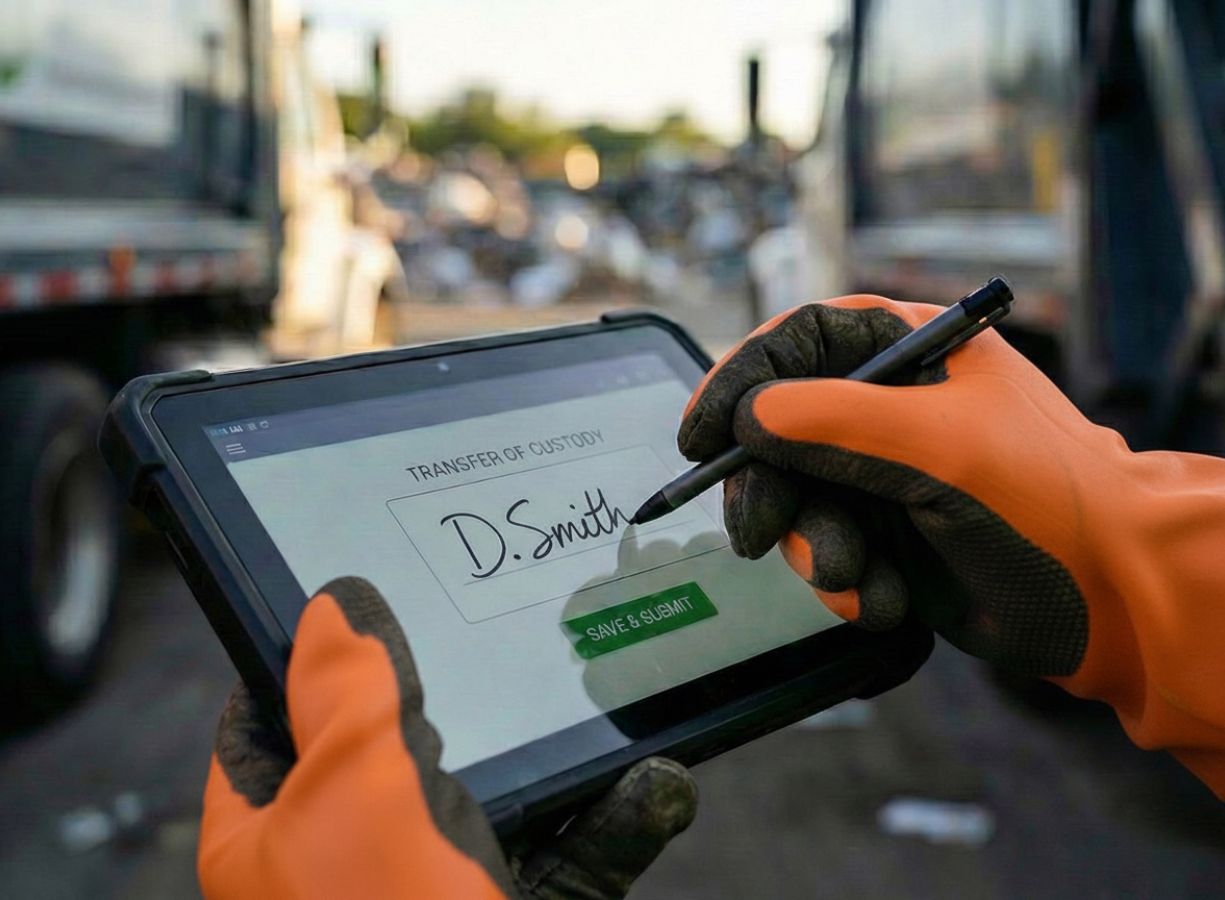
Working with third party hauliers can be a smart move. It gives your business extra flexibility, helps you meet demand during busy periods, and allows you to expand your reach without needing to grow your own fleet overnight. But it also comes with risks, especially when it comes to compliance. At VWS, we have seen how quickly things can unravel if those risks are not managed properly.
Is Your Current System Ready for the 2026 Compliance Deadline
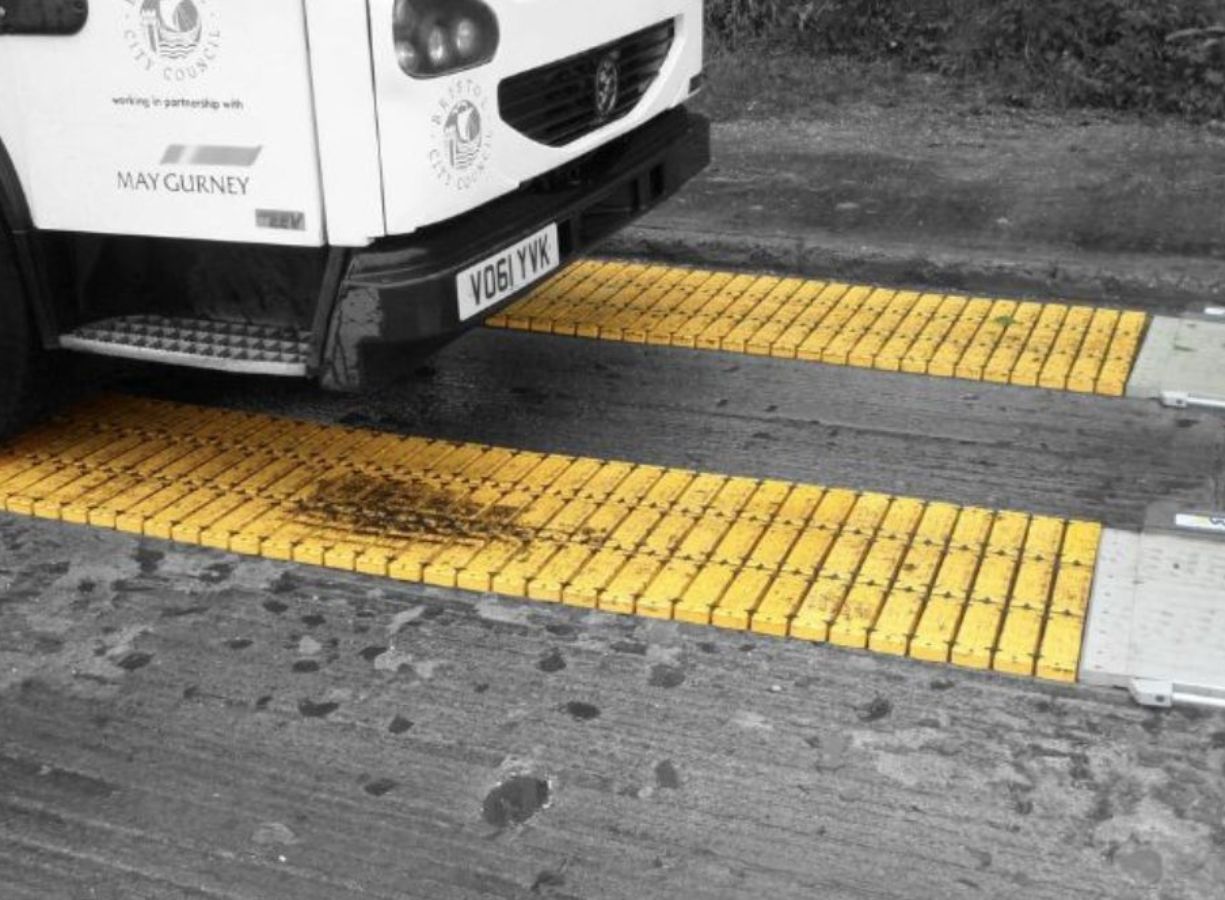
With Digital Waste Tracking set to go live in 2026, many businesses across the waste and recycling sector are asking the same question. Are we actually ready for this? At VWS, we’ve had dozens of conversations with operators who are still unsure whether their current systems can handle what is coming. And the truth is, now is the time to find out.

How to Prevent Missed Collections and Keep Customers Happy
Let’s face it, missed collections are one of the fastest ways to lose customer trust. At VWS, we know how tough it can be to manage busy schedules, last-minute changes, and traffic delays, all while trying to keep collections on time and customers happy. But when collections are missed, it does not just create operational problems. It damages relationships, leads to complaints, and can even cost you future business.

VWS Partners with AI Scheduling Tool Dayjob
We’re pleased to announce a new partnership between VWS Software Solutions and Dayjob, an innovative AI-powered scheduling platform that’s transforming how businesses manage daily operations.

Avoid Fines by Mastering Load Accuracy
If there’s one thing every tipper operator dreads, it’s the unexpected knock-on costs from overloaded vehicles, especially when it ends in a fine. At VWS, we’ve worked closely with fleets across the waste and construction industries long enough to know just how much of a pain point load accuracy can be. It is not just about compliance. It is about protecting your bottom line, your operators, and your reputation.
The Costs of Not Preparing for Digital Waste Tracking
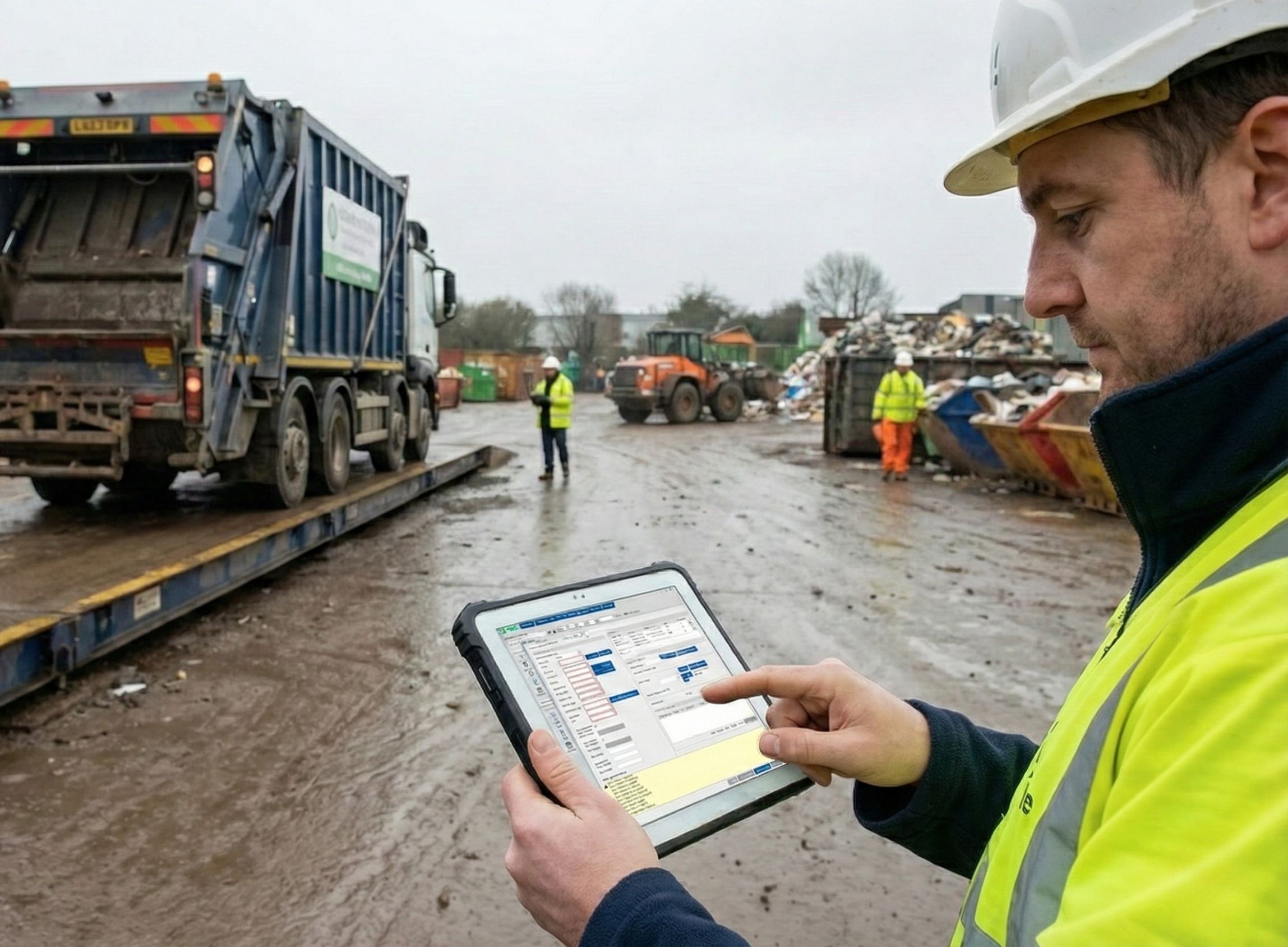
Digital Waste Tracking is no longer something on the distant horizon. With mandatory changes coming into effect in October 2026, businesses that produce, carry, or receive waste will soon need to report every waste movement digitally and within 48 hours of it being received. That might sound like a lot of time, but failing to prepare now can result in some serious costs later.