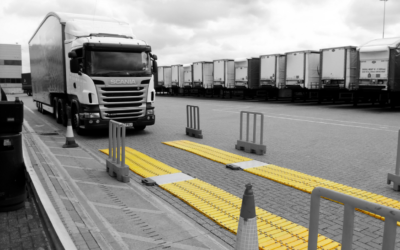
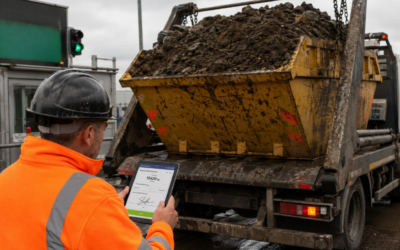
Is your weighbridge a gateway to revenue or a bottleneck for growth? In the waste management and recycling industry, time is the one resource you cannot recycle. For site operators and transfer stations, the weighbridge is the critical control point of the facility. It dictates the pace of your entire operation. When processes are streamlined, throughput increases and revenue flows. However, when the flow is interrupted by queues, manual data entry errors, or lost paperwork, the impact is felt immediately across the business. A congested yard isn’t just an operational headache; it is a direct drain on profitability.
Articles
Articles
How to Protect Your Fleet from Costly Overuse
If you ask any fleet manager in the waste and recycling sector what keeps them up at night, the answer is rarely “compliance paperwork” (even though that is a headache). The real nightmare is the sound of a gearbox grinding to a halt on a busy Tuesday morning, or a frantic call from a driver stranded on the side of the A1 with a full load.
Turning Waste Compliance into a Business Advantage
Let’s be honest, for most people in the waste management and recycling industry, the word “compliance” doesn’t exactly spark joy. It usually conjures up images of overflowing filing cabinets, endless paper trails, and the low-level anxiety of a pending audit. For years, compliance has been viewed as a necessary evil, a box-ticking exercise required to keep the gates open and the trucks moving.
Gain Control Without Owning the Trucks
In the waste and recycling industry, there is a common misconception that “control” is a luxury reserved for those who own the yellow iron. For waste brokers, the challenge has always been different: how do you maintain oversight, ensure compliance, and guarantee service quality when you aren’t the one behind the wheel?
Choosing the Right Skip Size Without Guesswork
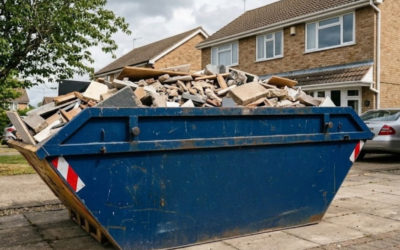
Let’s be honest: for most people, ordering a skip feels a bit like a game of high-stakes Tetris. You’re standing in your driveway or on a construction site, looking at a pile of debris, and trying to mentally calculate if it’s an “8-yarder” or a “12-yarder” kind of day. If you guess too small, you’re stuck with a “mountain” that won’t fit and the extra cost of a second skip. If you guess too large, you’re essentially paying to transport air.
Solve Customer Service Issues Before They Escalate
Imagine it’s 9:00 AM on a Monday. The phones are already lit up, and you’ve got a long-standing customer on the line who is, to put it mildly, frustrated. They’re claiming their skip wasn’t collected this morning as promised. They’ve got a crew on-site standing around doing nothing, costing them money by the minute, and they want answers now.
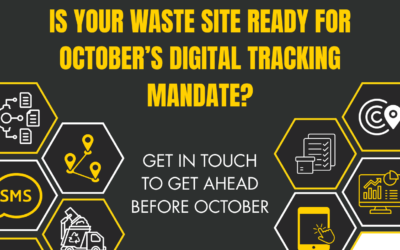
Avoid Penalties by Staying Ahead of the 48 Hour Reporting Rule
If you’re running a waste site, you know that the “to-do” list never actually ends. Between managing the yard, keeping the fleet moving, and handling customer calls, the paperwork often ends up being the thing that gets pushed to the end of the week. But a major change is coming to the way the UK tracks waste, and it’s going to make that “deal with it later” approach a serious liability.
Improve Site Efficiency with Faster Turnarounds
Is your weighbridge a gateway to revenue or a bottleneck for growth? In the waste management and recycling industry, time is the one resource you cannot recycle. For site operators and transfer stations, the weighbridge is the critical control point of the facility. It dictates the pace of your entire operation. When processes are streamlined, throughput increases and revenue flows. However, when the flow is interrupted by queues, manual data entry errors, or lost paperwork, the impact is felt immediately across the business. A congested yard isn’t just an operational headache; it is a direct drain on profitability.
The New Digital Waste Tracking Timeline
The UK’s waste management landscape is entering its most significant digital transformation to date. As part of a national strategy to combat waste crime and foster a circular economy, the Department for Environment, Food & Rural Affairs (Defra) is replacing old-school paper records with a mandatory Digital Waste Tracking (DWT) service.
Getting More from Every Bin with Intelligent Waste Monitoring
If you look closely at a balance sheet, the difference between a good year and a great one often hides in the details of your daily collections. For decades, the industry operated on a simple premise: if a bin is out, pick it up. It didn’t matter if it was overflowing or half-empty, or if the customer’s contract actually covered the rising disposal costs. But that old “lift and tip” model is quietly eating away at margins. Today, sustainable growth requires a smarter approach, one where every bin lift is measured, analysed, and optimised to ensure it’s actually worth the fuel it took to get there.