
News & Events

Start Charging For What You Actually Collect
Let’s talk about a scenario that almost every waste operator knows a little too well. You quote a standard flat rate for a skip hire or a commercial bin collection.
Is Your Waste Site Ready for October’s Digital Tracking Mandate?
October 2026 is practically on our doorstep and if you operate a permitted or licensed waste receiving site in England, Wales, or Northern Ireland, you already know what’s coming: the mandatory Digital Waste Tracking (DWT) service goes live.
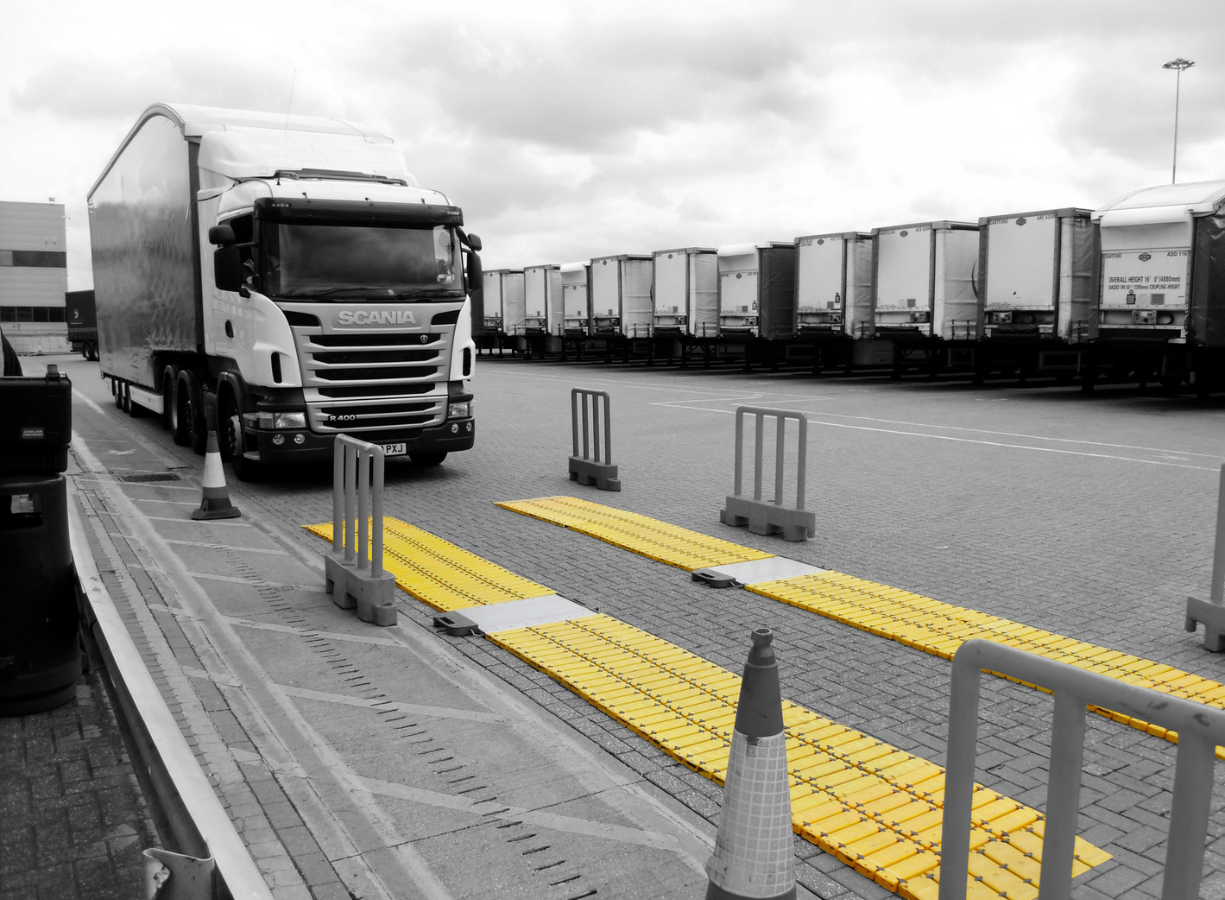
Streamlining Weighbridge Operations for Better Compliance
If you run a waste management or tipper hire operation, you already know that the weighbridge is the centre of your facility.
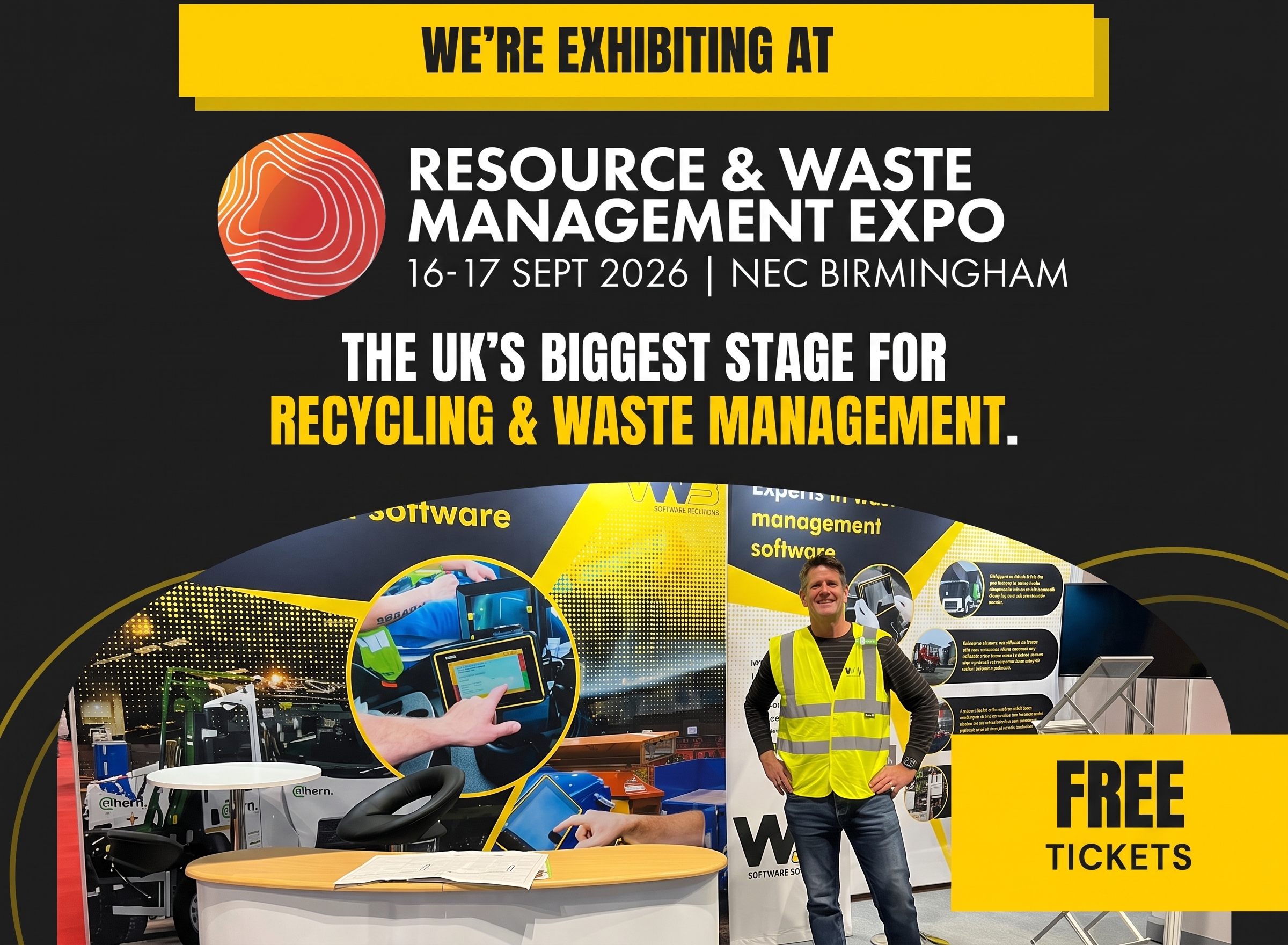
VWS to Exhibit at the Resource & Waste Management Expo 2026
VWS is pleased to announce that we will be exhibiting at the Resource & Waste Management Expo (RWM Expo), taking place from 16-17 September 2026 at the NEC Birmingham.
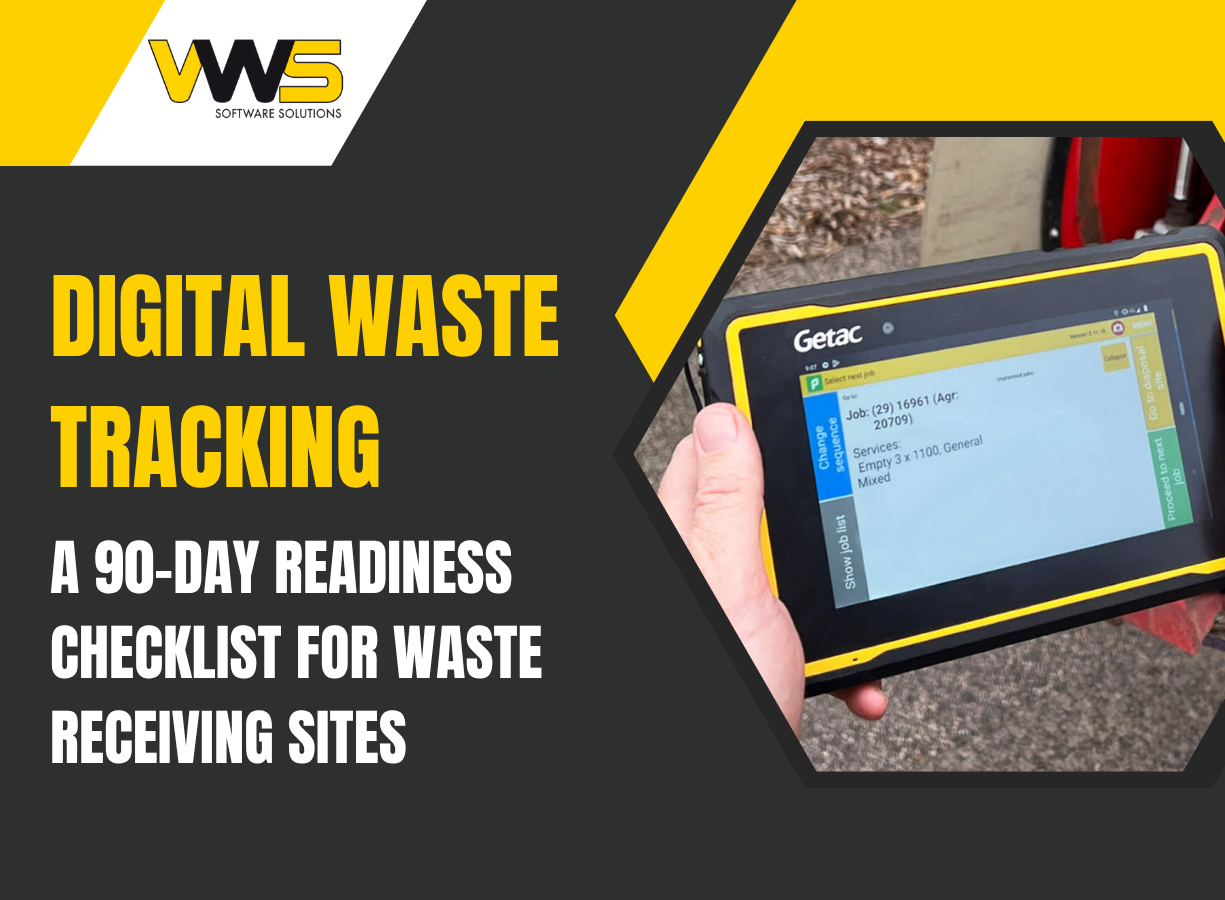
Digital Waste Tracking: A 90-Day Readiness Checklist for Waste Receiving Sites
The waste management sector is currently bracing for a massive shift. The 2025 and 2026 DEFRA mandates for mandatory digital waste tracking and "Simpler Recycling" are on the horizon.
Digital Waste Tracking Explained: What the October 2026 Mandate Means for UK Waste Operators
As we sit here in August, the October deadline for mandatory digital waste tracking is practically here.
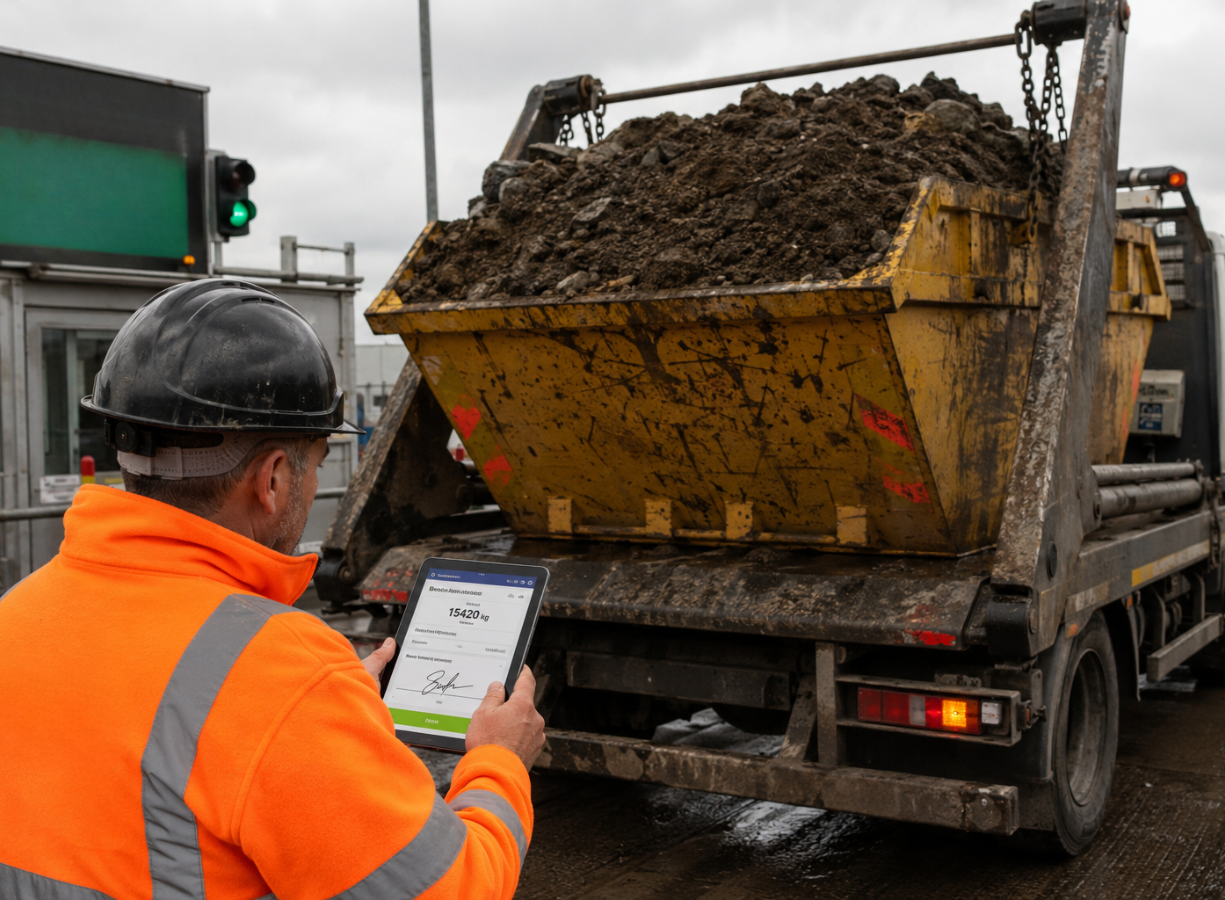
How to Stop Losing Profit on Heavy or Overfilled Skips
If you run a skip hire or waste management business, you know the sinking feeling all too well.
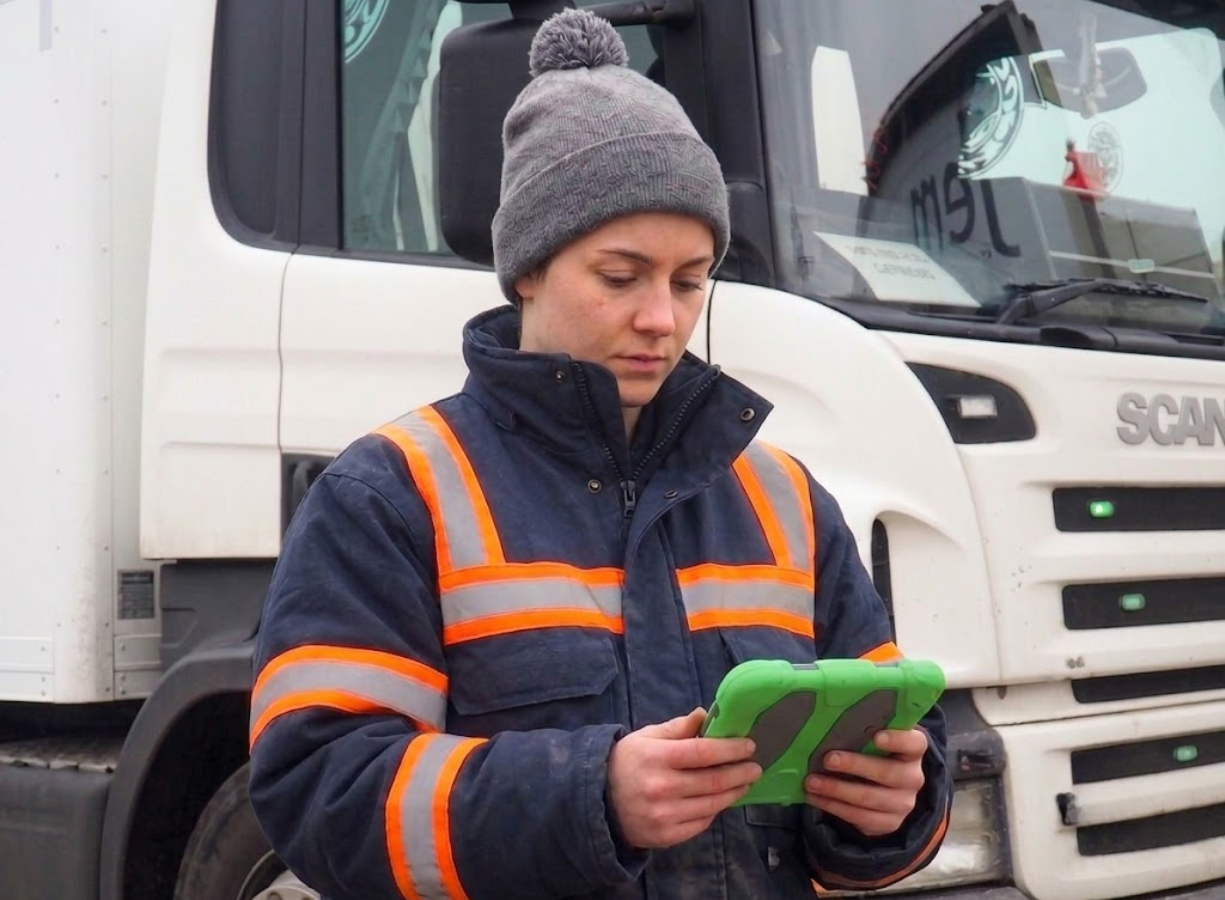
Why Your Back Office and Drivers Need to Be on the Exact Same Page
When your back office and your drivers are not communicating perfectly, the whole operation feels the strain.
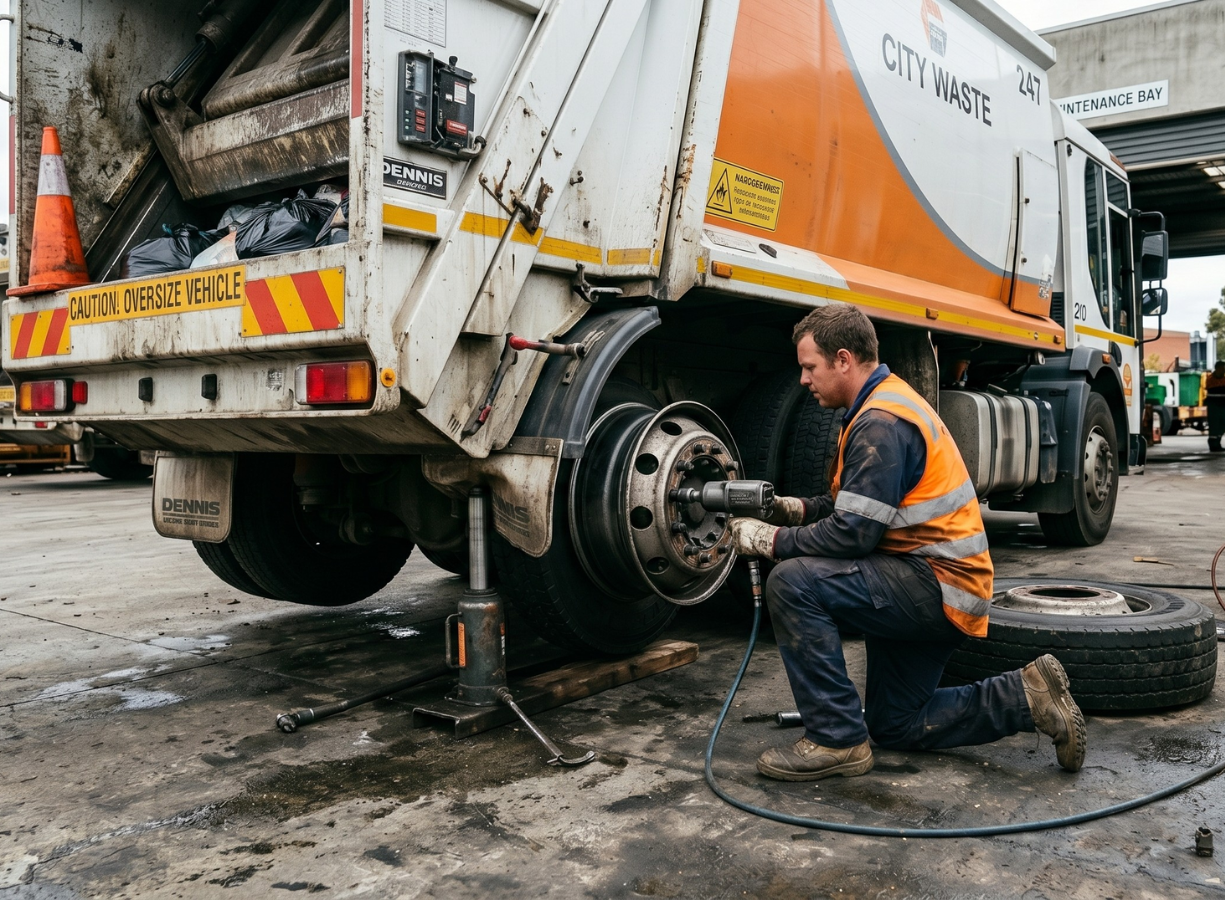
How to Reduce Maintenance Costs Through Smarter Operations
If you are running a fleet of waste collection vehicles or skip loaders, you already know that keeping your trucks on the road is one of your biggest and most unpredictable expenses. Between unexpected breakdowns, soaring parts costs, and the strict demands of regulatory compliance, vehicle maintenance can feel like a black hole for your profits.
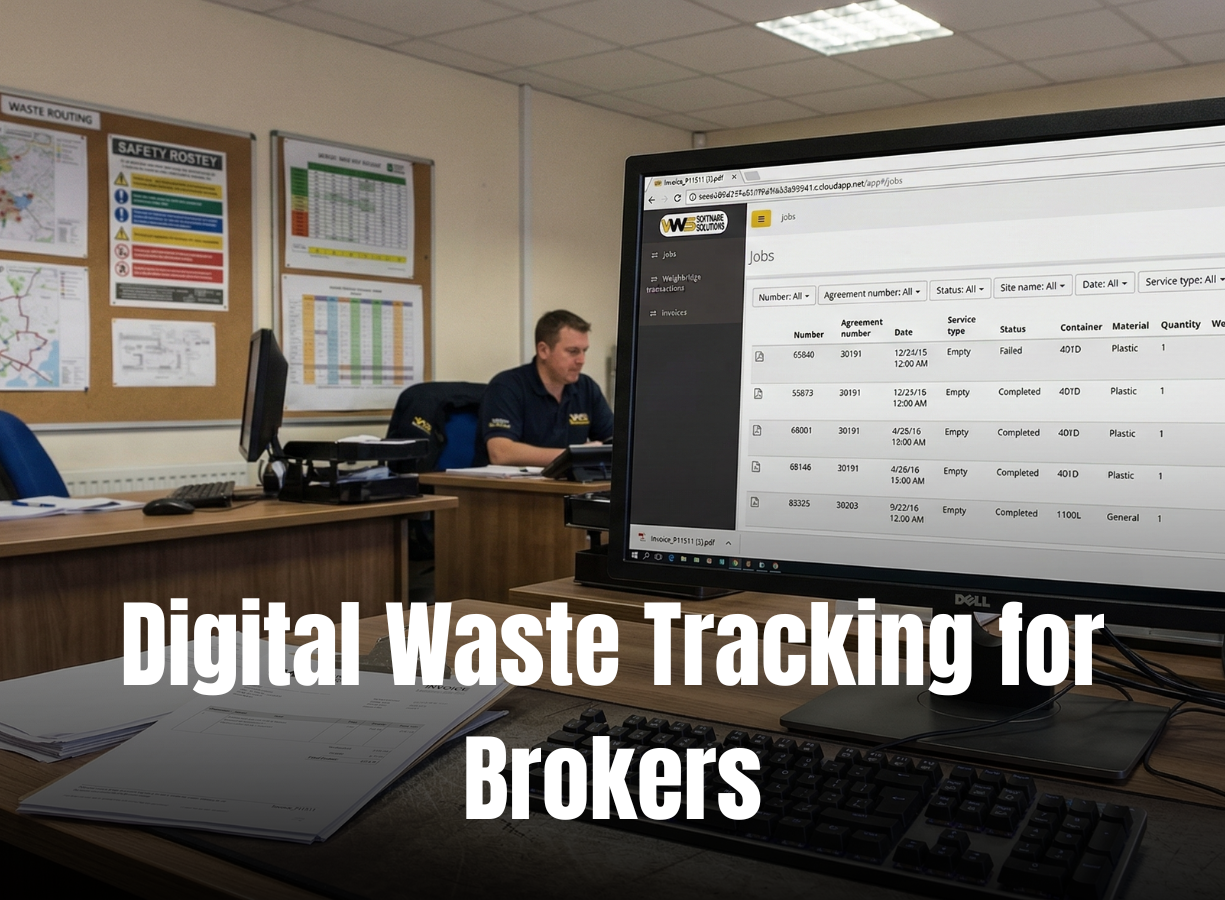
Digital Waste Tracking for Brokers: What You Need to Know
If you are running a waste brokering business, your day-to-day operations are probably a masterclass in plate-spinning. You are coordinating between multiple customers, managing a vast network of suppliers, chasing down jobs, and attempting to reconcile an endless mountain of subcontractor invoices. It is a fast-paced environment where efficiency is everything.