The waste and recycling industry now runs on data. Moving material from point A to point B is only part of the job. If you’re still tracking work with paper tickets, manual spreadsheets, or systems that don’t connect, you’re losing money, even if the process feels like it’s working.
We’ve spent years working with operators across the industry, including drivers and depot managers. Manual tracking creates two problems. The obvious one is the time spent on data entry. The bigger one is the cost that isn’t visible on any report, but steadily reduces your margins.
The Chaos of “Doing it by Hand”
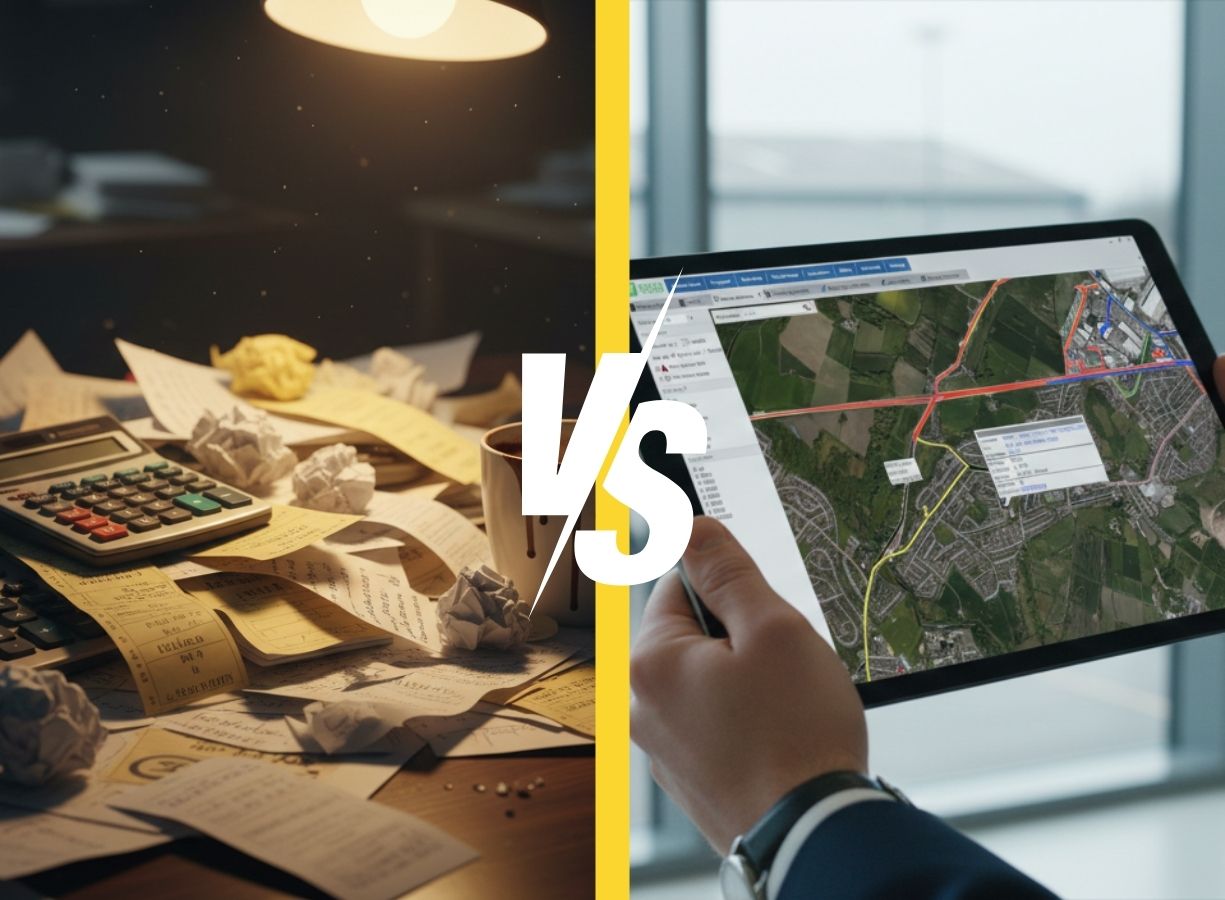
Think about a typical day. A driver misses a collection because of a road closure, or perhaps a bin is overweight. In a manual world, that information might stay in the driver’s head, or on a coffee-stained note, until the end of the shift. By the time the back office finds out, the customer has already called to complain, and you’ve lost the chance to resolve the issue in real-time.
Then there’s the billing. If you’re manually reconciling weighbridge tickets with job sheets, errors are inevitable. You might be under-billing for heavy loads or, worse, losing track of subcontracted work entirely. These aren’t just administrative headaches; they are direct hits to your profitability.
Built by the Industry, for the Industry
This is exactly why we developed PurGo. We didn’t want to build just another piece of software; we wanted to create a “next-generation” ERP system that acts as the central nervous system for your entire operation.
What makes PurGo different? It’s designed to be intuitive and user-friendly. We know that if a system is too complex, people won’t use it. Whether it’s a driver using our mobile app or a manager looking at a live dashboard, the experience is seamless.
How We Solve the Tracking Nightmare
So, how does PurGo actually fix the manual tracking problem? It comes down to three main pillars:
- Seamless Integration: A major standout is our unique integration with Vehicle Weighing Solutions. This means weight data flows automatically from the vehicle or weighbridge directly into your billing system. No manual entry, no “guessing” weights, and no lost revenue.
- Live Exception Reporting: Instead of waiting for the end of the day, PurGo flags issues as they happen. If a driver encounters a problem, it’s recorded instantly, allowing your customer service team to be proactive rather than reactive.
- Automated Compliance: For those in the tipper hire or hazardous waste sectors, the paperwork can be overwhelming. PurGo automates Duty of Care and compliance documentation, ensuring you stay on the right side of the law without the mountain of paper.
Beyond the Software: A True Partnership
We often hear from our customers that we feel like an extension of their own business. That’s because we don’t just “sell and forget.” Our Liverpool-based team provides in-house development, support, and ongoing training to ensure the software evolves as you do.
Our modular design means you only use what you need. As you grow from five vehicles to fifty, PurGo scales with you, adding features like Map-Based Transport Planning or Power BI Integration when the time is right.
Stop Managing Paper and Start Growing Your Business
The true cost of manual tracking is the loss of control. By switching to an integrated, real-time system, you aren’t just “buying software,” you’re investing in operational excellence and financial accuracy.
You get to stop worrying about where your trucks are or if your billing is right, and start focusing on growing your business.
Ready to see how PurGo can transform your daily operations? Would you like me to schedule a demo or put together a feature comparison tailored to your specific sector, such as skip hire or tipper operations?