Welcome to the VWS guide on the upcoming changes to UK waste regulations. The UK waste industry is on the brink of a massive transformation. If your business produces, moves, or receives waste, you need to prepare for Digital Waste Tracking. This new system will completely replace old physical records, bringing waste management into the digital age. Here is everything you need to know to stay compliant and prepared for the future.
What is Digital Waste Tracking?
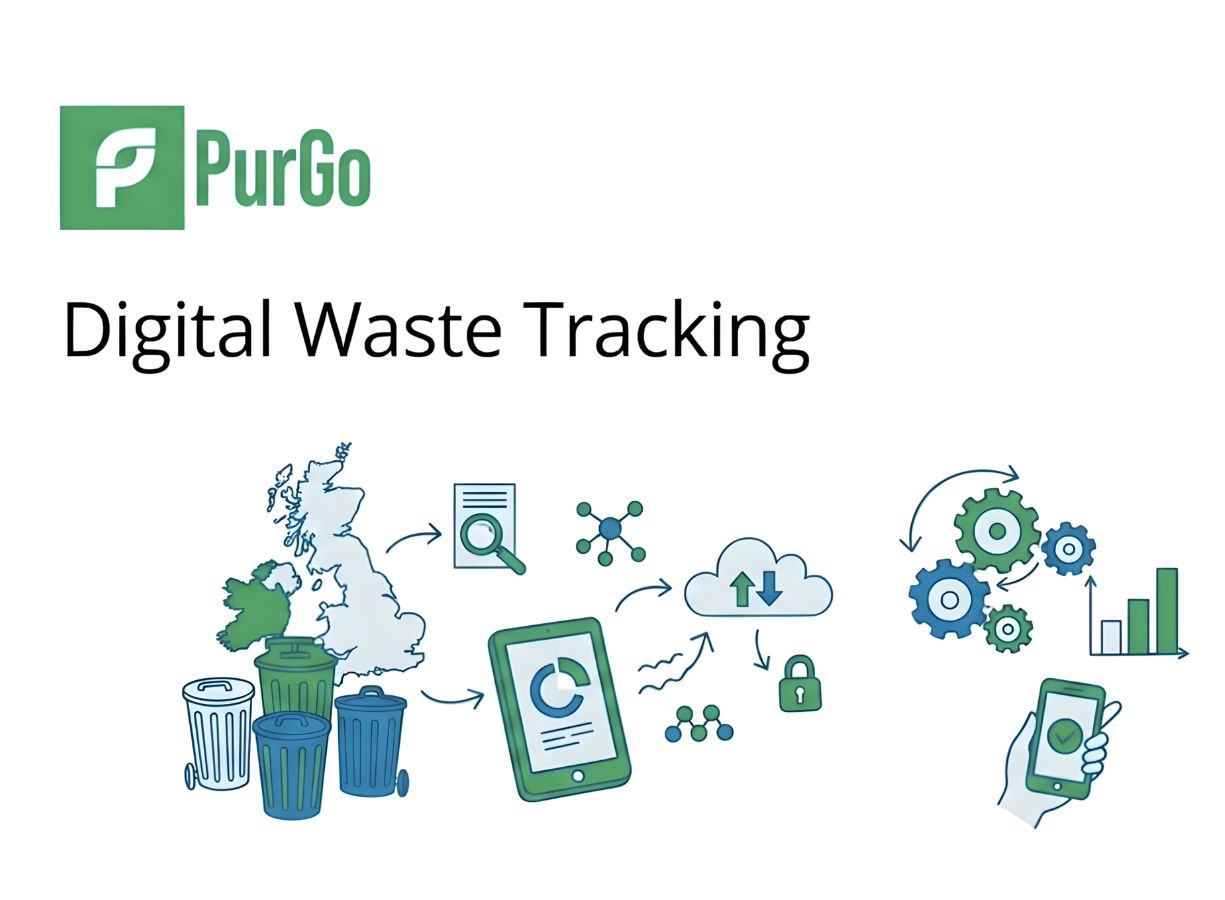
Digital Waste Tracking is a mandatory UK government initiative designed to record every movement of waste electronically. For decades, the industry has relied on physical transfer notes and consignment paperwork. These traditional methods are often prone to errors, easy to lose, and, unfortunately, easy to fake. By shifting to a centralised digital platform, the government aims to create a transparent, end-to-end view of what happens to our waste.
Why the big change?
The main goal is to tackle environmental crime. Illegal activities like fly tipping and illegal dumping cost the UK economy around 1 billion pounds every single year. By forcing all operators to log their waste movements digitally before the waste even leaves the site, regulators can easily spot anomalies. If a load goes missing or is falsely classified, the system raises an immediate red flag. Plus, better data means we can recycle more efficiently and push closer to a true circular economy.
When is this happening?
The rollout is happening in two main phases to give everyone enough time to adjust.
- Phase 1 focuses on permitted and licensed waste receiving sites. For these operators in England, Wales, and Northern Ireland, the system becomes mandatory in October 2026. For Scotland, it starts in January 2027.
- Phase 2 brings everyone else on board. This includes waste carriers, brokers, dealers, and exporters. The mandatory deadline for this larger group is October 2027.
What types of waste are included?
Almost everything. The rules apply to all controlled waste and extractive waste. This covers general commercial rubbish, mixed recyclables, construction debris, electronic waste, and both hazardous and non-hazardous materials. There is also a massive focus on Persistent Organic Pollutants. If your waste contains these toxic chemicals, you must specifically tag it in the system so it can be traced directly to an authorised destruction facility.
Are there any exceptions?
Yes, there are a few. Local authority bin collections from domestic homes are exempt from the initial tracking. Tracking of household rubbish only begins once it arrives at a receiving facility. Other exceptions include charity donations, litter collected by volunteers, and waste moved internally within the same site without needing a permit.
How do you prepare?
Do not wait until the deadline to get your business ready. Here are the steps you should take right now to ensure a smooth transition:
- Register your business: You will need to create an account on the official Defra Waste Data Service portal. There is a small annual registration fee of £26 for any business creating or editing records.
- Review your software: The government prefers businesses to use their own waste management software to automatically send data through an Application Programming Interface. If you do not have software yet, a temporary spreadsheet upload option will be available.
- Update your processes: Get used to the record before the move rule. You must create a digital record and verify all parties before the waste physically leaves your premises.
- Train your team: Ensure your staff know how to use the new system and input accurate waste codes like the European Waste Catalogue codes.
What happens if you ignore it?
Compliance is not optional. Environmental regulators will have the authority to impose strict penalties on those who fail to comply. This can range from variable monetary fines to the complete suspension of your operating licenses. In serious cases, persistent offenders could face unlimited fines.
Embracing Digital Waste Tracking might seem daunting at first, but it is a massive step forward for the industry. By utilising software like PurGo, you will streamline your compliance, reduce administrative headaches, and prove to your customers that you are committed to sustainable and legal waste management. Let us help you navigate these changes smoothly. Stay tuned to the VWS website for more updates and resources as the rollout approaches.